Signed in as:
filler@godaddy.com

Signed in as:
filler@godaddy.com
Poultry, especially chicken and turkey is widely recognized as one of the best protein foods available. These lean protein sources are ideal for anyone focused on healthy eating, weight management, muscle building, or affordable nutrition. Chicken and turkey are packed with high-quality protein, essential amino acids, and key nutrients while remaining low in calories and saturated fat. Their versatility makes them easy to include in high-protein meals for fitness, meal prep, or everyday cooking. Compared to many other protein foods, poultry offers exceptional nutritional value, great taste, and cost-effective performance for nearly any diet or lifestyle goal.

Compared to many red meats, chicken and turkey are naturally lower in saturated fat, which supports heart health and helps manage cholesterol levels when consumed as part of a balanced diet. Poultry also supplies key nutrients such as vitamin B6, zinc, phosphorus, and selenium, which contribute to immune function, energy production, and bone health. This nutritional profile makes poultry an excellent option for those prioritizing clean eating and long-term wellness.
For individuals focused on weight loss, muscle building, or high-protein, low-carb meal plans, poultry stands out as one of the best protein foods available. Its low calorie and low carbohydrate content allows you to increase protein intake without excess fat, especially when choosing skinless chicken or turkey and healthy cooking methods like grilling, baking, or roasting. Protein’s natural satiating effect also helps reduce hunger, making poultry ideal for appetite control and preserving lean muscle during calorie restriction.
From a cost and convenience perspective, chicken and turkey are among the most affordable high-protein foods, making them accessible for families, athletes, and budget-conscious consumers alike. Poultry’s versatility across global cuisines—whether grilled, slow-cooked, stir-fried, or boiled—makes it easy to include in nearly any meal plan without sacrificing flavor, nutrition, or value.
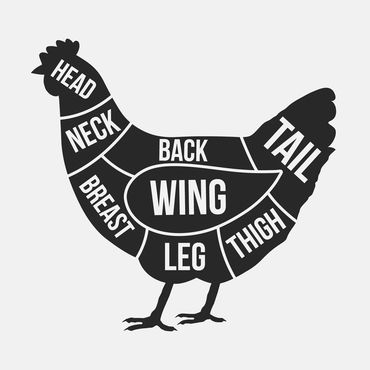
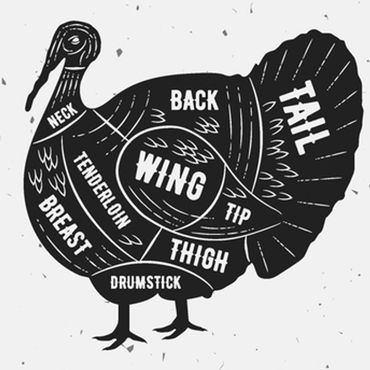

If you're trying to gain weight and build muscle, choose poultry cuts that are higher in fat and calories. Skinless thighs, drumsticks, and wings are excellent options. They provide more energy and flavor while still delivering quality protein. These cuts are ideal for slow-cooked meals or rich sauces that support a calorie surplus.
For fat loss, lean poultry cuts are key. Skinless poultry breast is the top choice—it’s low in fat and calories but high in protein, helping preserve muscle while reducing body fat. Lean ground poultry also works well, especially in portion-controlled meals. Avoid skin and fried preparations to keep fat intake low.
Poultry can fit into a keto diet when you focus on dark meat cuts like thighs, drumsticks, and wings, which contain more fat than breast meat. Pair these with healthy fats like olive oil, avocado, or cheese to meet your keto macros. Skin-on options are acceptable if you're not limiting saturated fat.
For general fitness and muscle maintenance, go for cuts that offer a strong protein-to-fat ratio. Skinless breast, lean ground poultry, and thighs are all great choices. These cuts are versatile, easy to cook, and support recovery and lean muscle growth.
If you're limiting fat intake, stick to skinless poultry breast and extra-lean ground poultry. These cuts are very low in fat and calories while still providing complete protein. They’re ideal for heart-healthy diets and weight management plans.
Both are excellent choices because they are high-protein and low-calorie. However, turkey breast is generally slightly leaner and lower in calories than chicken breast. If you are on a very strict caloric deficit, turkey might give you a slight edge, but the difference is minimal enough that personal preference should lead your choice.
Yes. White meat (breast, wings) is lower in calories and fat. Dark meat (thighs, drumsticks) contains more myoglobin—a protein that delivers oxygen to muscles—making it richer in iron, zinc, and B vitamins. While dark meat is higher in fat, it is often more flavorful and satisfying.
This is a common myth. While turkey contains tryptophan (an amino acid that can produce serotonin), it doesn't contain significantly more than chicken or beef. The "post-thanksgiving coma" is usually caused by the high amount of carbohydrates (stuffing, potatoes, pie) eaten alongside the turkey, which triggers insulin and allows tryptophan to enter the brain more easily.
On average, a 4-oz (113g) cooked serving of chicken or turkey breast provides about 28–32 grams of protein. This makes it one of the most efficient ways to hit daily protein targets for muscle repair.
If your goal is weight loss, it is best to remove the skin, as it is primarily composed of saturated and monounsaturated fats. Removing the skin can save you roughly 40–50 calories per serving. However, if you are on a Keto or bulking diet, the skin can provide necessary healthy fats and extra calories.
Yes, especially dark meat cuts like thighs and drumsticks, which have more fat. Pair with healthy fats like avocado or olive oil to meet keto macros.
Not always. You must check the lean-to-fat ratio. "Regular" ground turkey often includes dark meat and skin, making it about 85% lean. To get the health benefits, look for 93% or 99% lean ground turkey. If you compare 99% lean turkey to 80% lean ground beef, the turkey is significantly lower in calories and saturated fat.
Fresh chicken cuts are not processed. However, products like chicken nuggets, deli slices, and canned chicken may be processed and contain additives or preservatives.
No. Chicken should always be cooked to an internal temperature of 165°F (74°C) to prevent foodborne illness like salmonella.
They are very similar. A 3-ounce serving of either contains about 70–80mg of cholesterol. For most people, dietary cholesterol has a smaller impact on blood cholesterol than saturated and trans fats do, so both are considered heart-healthy choices when grilled or roasted.
Poultry is a complete protein, meaning it contains all nine essential amino acids in the right proportions. It also has a high biological value, meaning your body absorbs and uses the protein efficiently. While you can build muscle on a plant-based diet, you often have to eat more volume (and more carbohydrates/calories) to get the same amount of protein found in a small piece of chicken.
In the United States, the FDA prohibits the use of hormones or steroids in the production of all poultry. If you see a label saying "Raised without hormones," it is technically true for all brands. "Antibiotic-free" is a different label, referring to the use of medicine during the bird's life.
To preserve the nutritional integrity and manage calories:
Copyright © 2025 bestproteinfoods.com - All Rights Reserved.
Disclaimer: All information on this site is for educational purposes and does not constitute medical or nutritional advice. Nutritional needs vary by individual based on factors such as age, health status, and lifestyle. Please seek guidance from a qualified health professional before adjusting your diet or supplement routine.