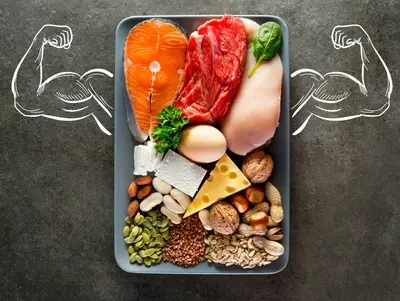
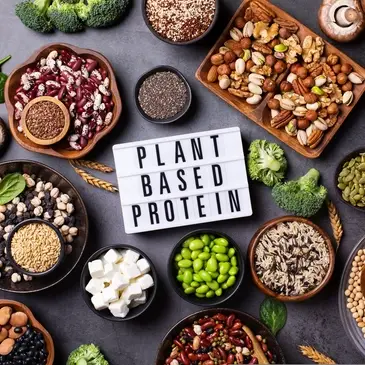
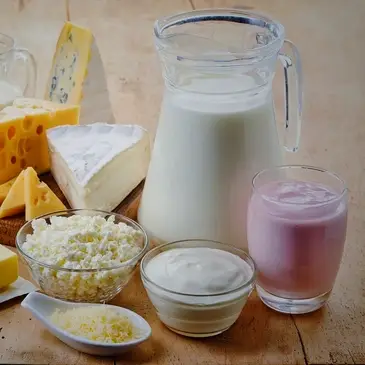
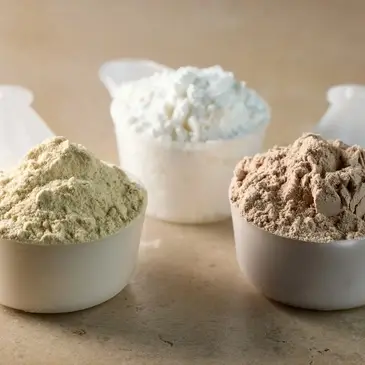
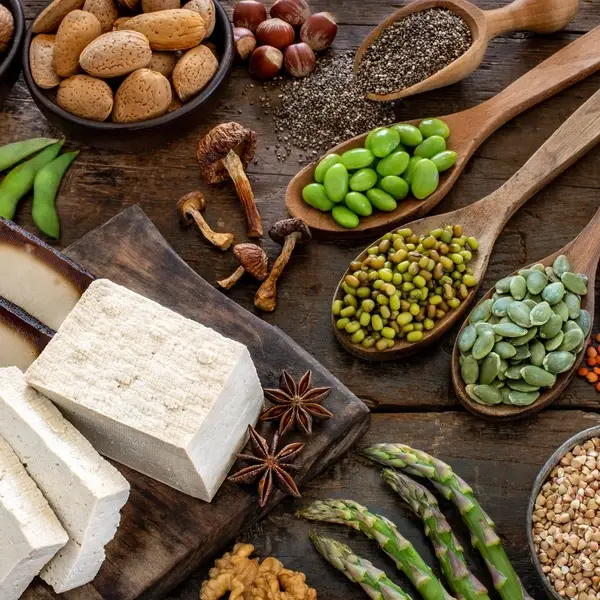
At Best Protein Foods, we simplify the science of protein nutrition to help you reach your personal health goals. Whether you’re focused on athletic performance, weight management, or simply maintaining a balanced lifestyle, we provide guidance on animal proteins, dairy, plant-based alternatives, and supplements. Explore evidence-based nutrition information and practical recipes designed to support your journey toward optimal health and vitality.
Protein is essential for building and repairing muscle tissue, supporting immune function, and maintaining healthy bones, skin, and hair. Whether you’re an athlete looking to optimize performance, someone managing their weight, or simply focused on overall wellness, getting adequate protein is crucial for reaching your goals.
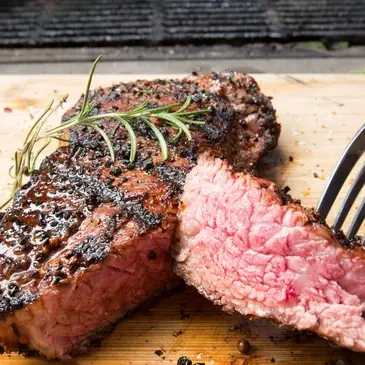
Complete proteins contain all nine essential amino acids your body can’t produce on its own. Animal sources like beef, chicken, fish, and dairy are naturally complete proteins. Plant-based proteins from beans, lentils, and grains are often incomplete but can be easily combined—like rice and beans—to provide complete nutrition.
Most adults need about 0.8 grams of protein per kilogram of body weight (roughly 0.36 grams per pound). For a 150-pound person, that’s around 54 grams daily. However, athletes, bodybuilders, and highly active individuals may need 1.2-2.0 grams per kilogram to support muscle recovery and growth. Your ideal amount depends on your age, activity level, and fitness goals.
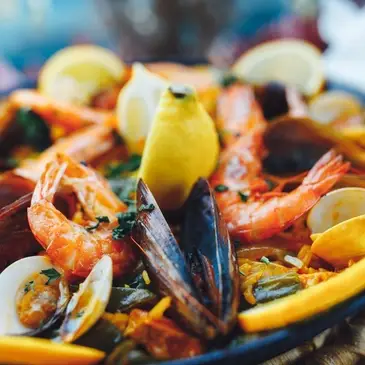
Animal proteins from meat, fish, eggs, and dairy are complete proteins, meaning they contain all nine essential amino acids your body needs. Plant-based proteins from beans, lentils, nuts, and grains are often incomplete but can be combined (like rice and beans) to provide complete nutrition. Both sources offer unique health benefits—animal proteins are typically higher in certain vitamins like B12, while plant proteins come with fiber and antioxidants.
Protein supplements can be convenient and effective, especially post-workout or when you’re short on time. However, whole food sources provide additional nutrients, fiber, and natural compounds that supplements may lack. The best approach is using both—rely on whole foods as your foundation and use supplements strategically to meet your daily protein goals.
For most healthy people, high protein intake is safe. Your body uses what it needs and processes the rest. However, extremely high amounts (more than 2 grams per kilogram daily) over long periods may stress the kidneys in people with pre-existing kidney conditions. Balance is key—focus on meeting your needs without going overboard.
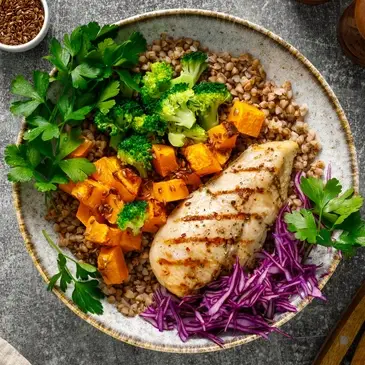
Lean proteins like chicken breast, turkey, fish, Greek yogurt, and egg whites are excellent for weight loss because they’re high in protein but low in calories and fat. Plant-based options like lentils, chickpeas, and tofu also work well. Protein helps you feel full longer, preserves muscle mass during calorie restriction, and has a higher thermic effect than carbs or fats.
Signs you may need more protein include slow muscle recovery after workouts, frequent hunger, weak hair and nails, getting sick often, or difficulty losing fat while maintaining muscle. Use our macro calculator to determine your specific needs, then track your intake for a few days to see where you stand.