The HPLC Protocol: Optimized Protein for Metabolic Success
High-Protein Low-Carb Diet Basics
A high-protein low-carb diet focuses on prioritizing protein as the primary macronutrient to support metabolic efficiency and tissue preservation. By centering meals around high-quality protein sources, this approach leverages the high thermic effect of food (TEF), meaning the body expends more energy digesting protein than it does fats or carbohydrates. This strategy aims to stabilize blood sugar levels by minimizing the insulin spikes associated with high-carb intake, encouraging the body to utilize stored adipose tissue for energy while protecting lean muscle mass. Below, you will find our top high-protein low-carb products. After that, you will see which protein sources fit your goals.
Key Benefits of a High-Protein Low-Carb Diet
Satiety and Appetite Control: Protein is the most satiating macronutrient, helping to reduce cravings and overall caloric intake.
Muscle Preservation: Provides the essential amino acids necessary to maintain and repair muscle tissue, especially during weight loss.
Metabolic Support: Enhances the body’s resting metabolic rate through the maintenance of lean mass and a higher thermic digestive process.
Blood Sugar Stability: Minimizes glycemic variability, which supports consistent energy levels throughout the day.
As a result, a high-protein low-carb diet is easier to stick with.
Top Products for a High-Protein Low-Carb Diet
As an Amazon Associate, BestProteinFoods.com earns from qualifying purchases.
Dymatize ISO100 Protein Powder, 100% Whey Isolate, G...
Which High-Protein Low-Carb Diet Source Fits Your Goals
Choosing the right protein source is about more than just hitting a daily number; it is about selecting the specific nutrient profile that complements your metabolic objectives. Whether you are looking to build significant mass, retain muscle during a calorie deficit, or support long-term cardiovascular wellness, the “best” protein is determined by its accompanying fats, carbohydrates, and micronutrients. Matching your food choices to your specific physiological demands ensures that your diet works with your training, rather than against it. Therefore, match each protein source to your goal.
High-Protein Low-Carb Diet Bulking
To support muscle hypertrophy and a caloric surplus, you need protein sources that are nutrient-dense and calorie-rich. These sources often include healthy fats or complex carbohydrates to provide the energy required for heavy lifting and recovery.
Also, a high-protein low-carb diet can still support a calorie surplus.
Top Choices: Grass-fed beef, hemp hearts, pumpkin seeds, and Seitan.
Focus: High calorie-to-volume ratio and recovery-supporting minerals like zinc and magnesium.
High-Protein Low-Carb Diet Cutting (Fat Loss)
When the goal is to lose body fat while preserving lean muscle mass, protein efficiency is key. You want “pure” protein sources—those that provide the highest amount of amino acids with the fewest possible calories from fats and sugars.
However, a high-protein low-carb diet works best with strength training.
Top Choices: Egg whites, turkey breast, tuna (in water), and whey protein isolate.
Focus: Maximum satiety and muscle protection with minimal caloric impact.
Keto Diet and Weight Loss
For those in a state of ketosis, protein must be balanced with high-quality fats to maintain energy levels without triggering a significant insulin response. These sources prioritize healthy fatty acid profiles and near-zero carbohydrate counts.
In addition, track your carbs closely.
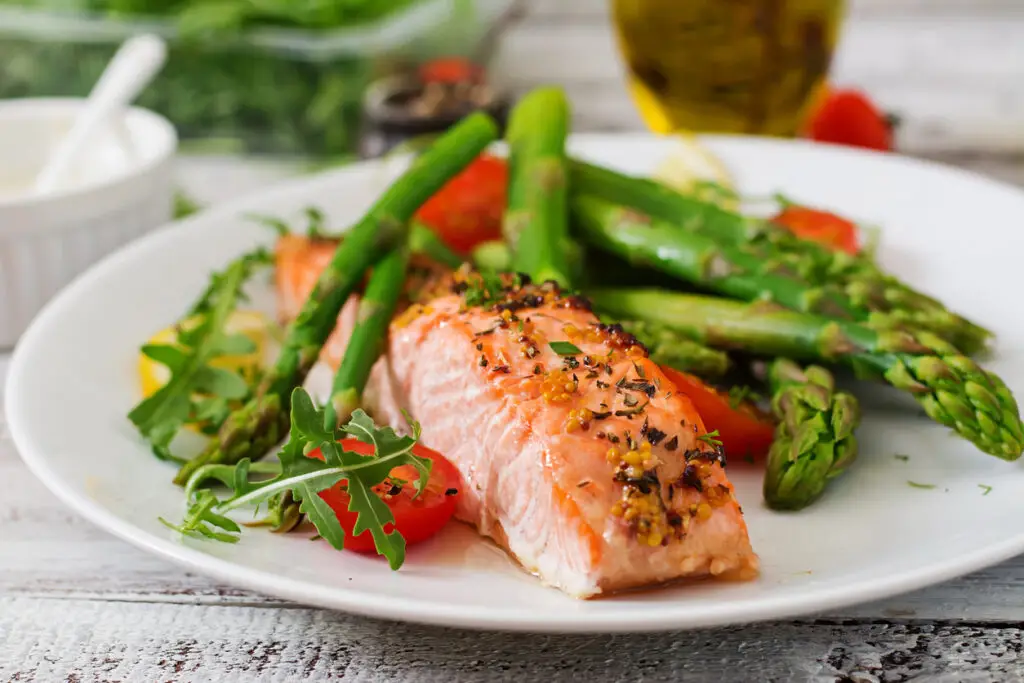
Top Choices: Wild salmon, hemp hearts, pumpkin seeds, and fatty cuts of fish.
Focus: High-fat, moderate-protein, and extremely low-carbohydrate density.
High-Protein Low-Carb Diet (General Fitness)
If your goal is overall health, functional strength, and a toned physique, a balanced variety of animal and plant-based proteins is ideal. This approach focuses on bioavailability and steady energy throughout the day.
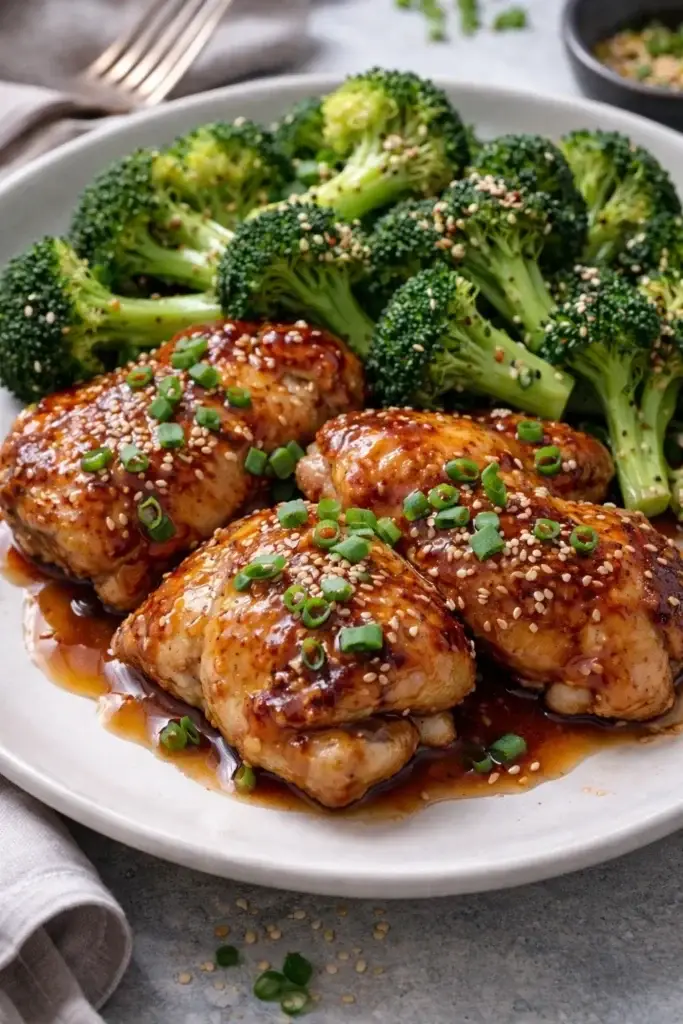
For example, eggs and chicken fit this approach well.
Top Choices: Tempeh, cottage cheese, Greek yogurt, and lean poultry.
Focus: Versatility, ease of digestion, and a complete amino acid profile.
Low-Fat & Heart-Healthy Diets
Heart health requires prioritizing proteins that are low in saturated fats and high in fiber or Omega-3 fatty acids. These choices support healthy cholesterol levels and vascular flexibility.
Instead, choose lean fish and poultry over processed meats.
Top Choices: Lentils, non-fat Greek yogurt, tuna, and egg whites.
Focus: Minimal saturated fat and high concentrations of heart-supporting minerals like potassium.
Recommended Products
Optimum Nutrition Serious Mass Weight Gainer Protein Powder, Chocolate...
The goal is to shift your metabolism from burning glucose to burning stored fat. Protein protects lean muscle, while fewer carbs keep insulin stable, which can reduce fat storage and curb hunger.
The RDA is roughly 0.8g per kg of body weight. However, most people on this diet aim for 1.2g to 2.2g per kg of lean mass, especially if they are active or losing weight.
In people with healthy kidneys, research generally shows high protein intake is safe. However, protein metabolism produces urea, so increase your water intake to stay hydrated.
Many sauces, dressings, and low-fat foods use sugar or flour as thickeners. Also, chickpeas and beans are healthy but carb-heavy. Therefore, prioritize eggs, meat, fish, and tofu.
Not necessarily. Unlike keto, this diet focuses on protein first. Include enough healthy fats, like salmon or avocado, but excess fat can still cause a calorie surplus.
Yes. Processed meats often contain nitrates, high sodium, and fillers. Instead, choose whole foods like grass-fed beef, wild-caught fish, organic poultry, and tempeh.