

Plant-Based Diet Protein Basics

A plant-based diet protein plan can be strictly Vegan lifestyle or a Vegetarian path that includes dairy and eggs. Either way, fueling your body with the right nutrients is the foundation of peak performance and long-term health. Finding high-quality, plant-derived fuel shouldn’t be a guessing game. That is why we provide the essential resources and nutritional insights you need to identify the most effective, nutrient-dense ingredients available, ensuring you stay strong, energized, and fully supported in your meat-free lifestyle.

Key Benefits of Plant-Based Diet Protein

  • Heart Health: Lowers cholesterol and supports a healthy heart.
  • Better Digestion: High fiber keeps your gut healthy and regular.
  • Steady Energy: Nutrient-dense foods prevent energy crashes.
  • Weight Control: Naturally lower-calorie foods help you stay lean.
  • Lower Inflammation: Antioxidants help your body recover and feel better.

Top Plant-Based Diet Protein Products

As an Amazon Associate, BestProteinFoods.com earns from qualifying purchases.

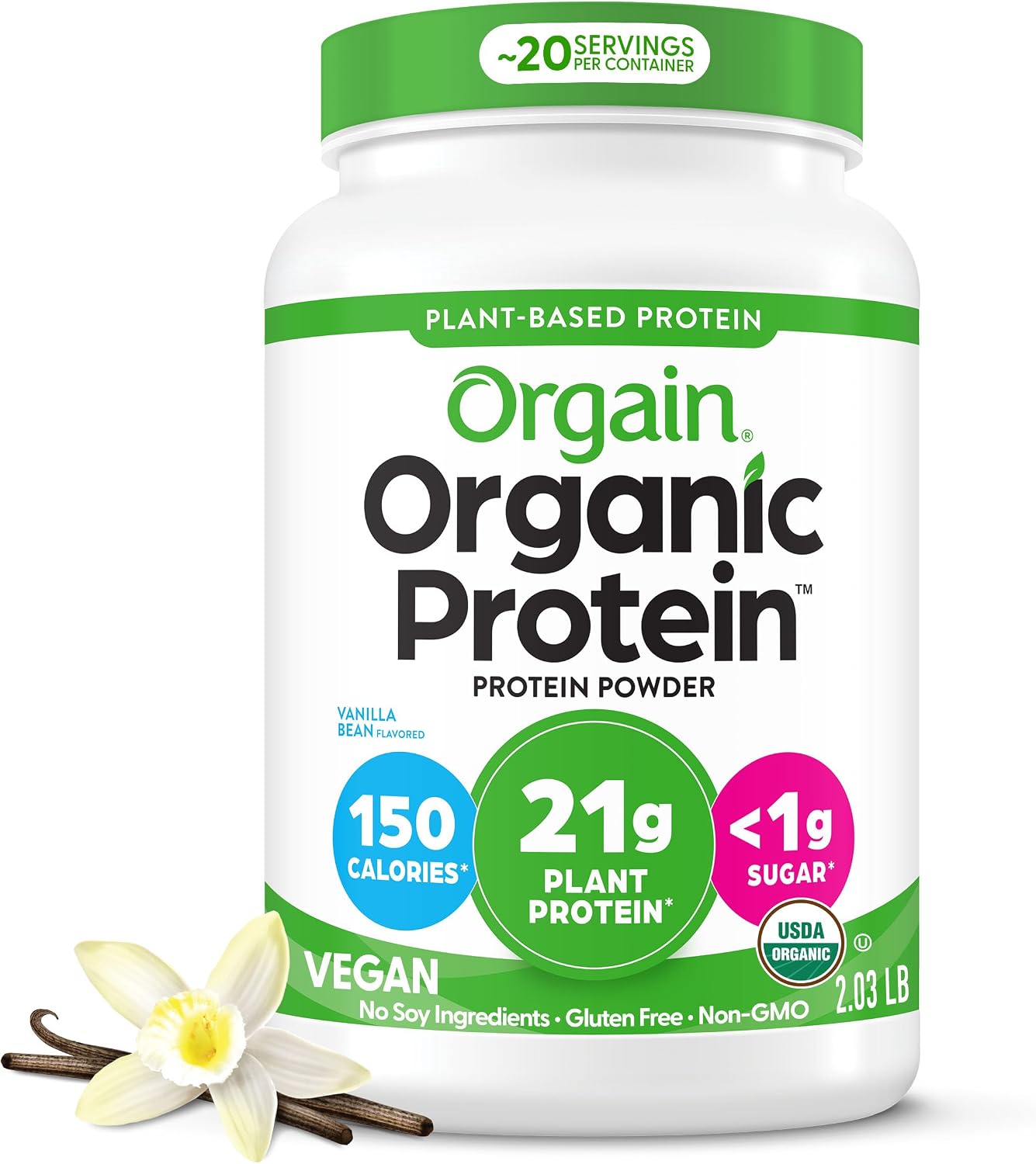
Orgain Organic Vegan 21g Protein + Superfoods Powder...

Orgain Organic Vegan 21g Protein + Superfoods Powder...

ALOHA Organic Plant Based Protein Bars - 6 Flavor Variety Pack - 12 Co...

ALOHA Organic Plant Based Protein Bars - 6 Flavor Variety Pack - 12 Co...

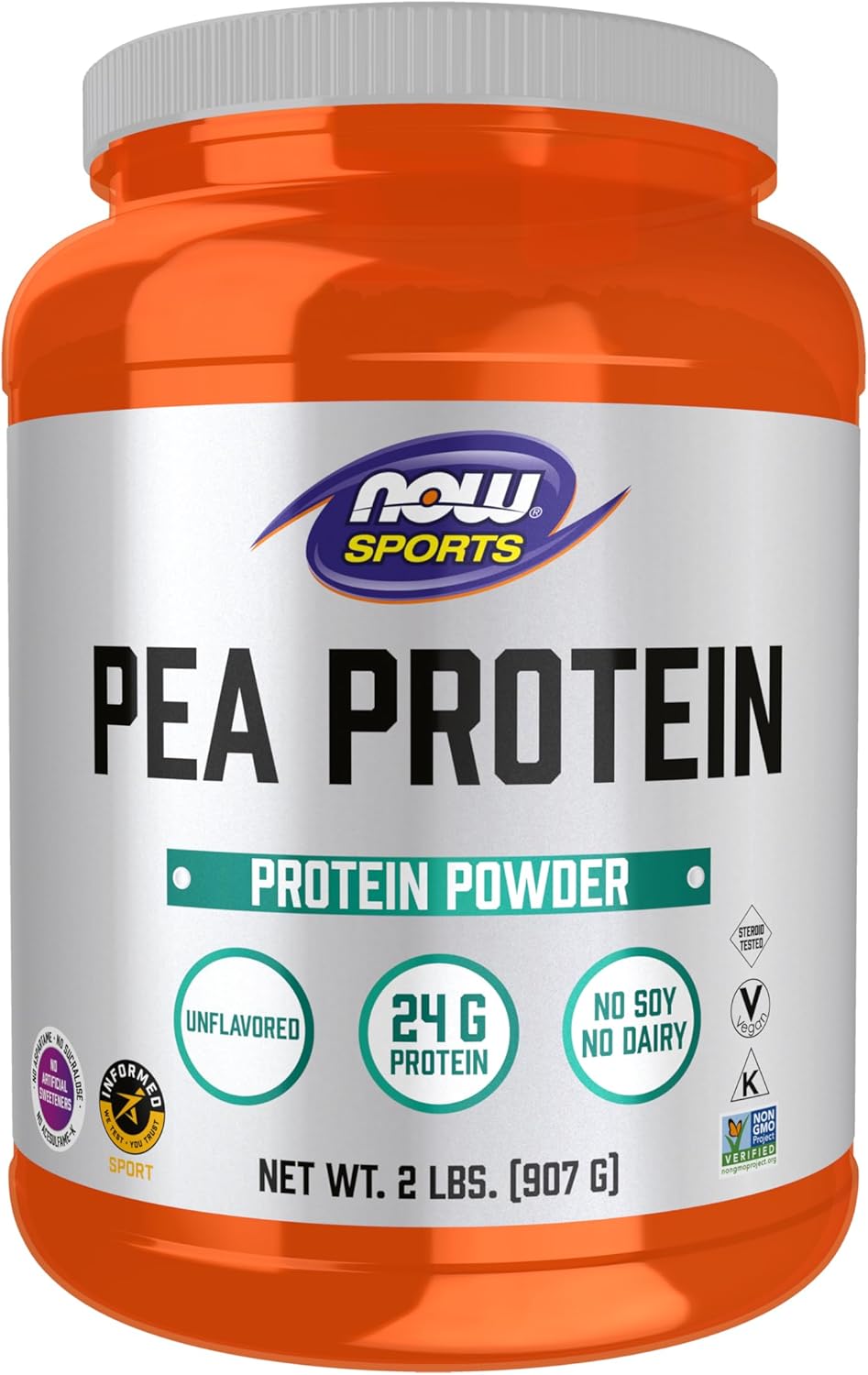
Now Sports, Pea Protein 24 g, Mixes Easily, Unflav...

Now Sports, Pea Protein 24 g, Mixes Easily, Unflav...

Plant-Based Diet Protein: Vegan Compassion in Action

Woman choosing fresh vegetables for plant-based diet protein meals

 Choosing a vegan path is a transformative journey that harmonizes your personal well-being with global ethics. In fact, by moving away from animal-derived ingredients entirely, you embrace a nutrient-dense palette of botanical wonders—from ancient grains and seeds to vibrant produce and legumes. Moreover, this isn’t just a restriction of certain foods; it is an expansion of your culinary horizons, prioritizing ingredients that are naturally cholesterol-free and rich in life-sustaining phytonutrients. Ultimately, adopting a vegan lifestyle is a powerful statement of intent, proving that we can nourish our bodies fully while treading lightly on the earth and showing kindness to all living beings.

Vegan Benefits of Plant-Based Diet Protein

  • Optimal Heart Health: By eliminating animal fats, you naturally reduce your intake of saturated fats, which helps maintain clear arteries and supports overall cardiovascular resilience.
  • Surge in Vitality: For example, many people report higher energy levels and clearer skin when they transition to whole-food, plant-based nutrition, thanks to a high concentration of vitamins and minerals.
  • Blood Sugar Stability: Additionally, the high fiber content inherent in vegan diets helps regulate glucose absorption, providing a steady stream of energy and reducing the risk of metabolic issues.
  • Environmental Stewardship: Likewise, a vegan diet is one of the most effective ways to lower your ecological footprint, significantly reducing greenhouse gas emissions and preserving precious freshwater.
  • Ethical Integrity: Finally, living vegan aligns your daily actions with a philosophy of non-violence, ensuring that your lifestyle does not contribute to the industrial use of animals.

Best Plant-Based Diet Protein for Vegans

Sunwarrior Organic Plant Based Protein Powder, 30 Se...

Sunwarrior Organic Plant Based Protein Powder, 30 Se...

Garden of Life Sport Organic Vegan Protein Powder, Vanilla, 19 Serving...

Garden of Life Sport Organic Vegan Protein Powder, Vanilla, 19 Serving...

Anthony's Textured Vegetable Protein, TVP, 1.5 lb,...

Anthony's Textured Vegetable Protein, TVP, 1.5 lb,...

Vegetarian Diet: Vibrant living starts at the root.

Embracing a vegetarian diet is more than just a culinary choice; it’s a commitment to a vibrant, sustainable lifestyle. In particular, by focusing on nutrient-dense plant foods—such as crisp vegetables, hearty grains, and protein-packed legumes—you provide your body with a clean source of fuel that promotes long-term vitality. However, this shift doesn’t mean sacrificing flavor; rather, it opens the door to a world of diverse global cuisines and creative cooking that celebrates the natural abundance of the earth. Overall, whether you are motivated by personal health, environmental stewardship, or animal welfare, a plant-based approach offers a compassionate and refreshing way to nourish yourself and the planet.

Key Benefits of a Vegetarian Diet

Switching to a vegetarian lifestyle offers a wide range of advantages that impact your body and the world around you:


  • Heart Health: In fact, plant-based diets are typically lower in saturated fats and cholesterol. Similarly, high fiber intake helps manage blood pressure and significantly reduces the risk of cardiovascular disease.


  • Weight Management: Because whole plant foods are generally lower in calories and higher in volume, many people find it easier to maintain a healthy weight without feeling restricted.

Plant-Based Diet Protein Sources

Plant-Based Power • Meat-Free Nutrition • Whole Foods

Plant-Based Diet Protein Sources: Vegan and Vegetarian

Optimized plant and dairy-based protein sources to fuel your lifestyle and support muscle health.

Calories370
Protein75g
Fat1.9g
Carbs14g
Key NutrientL-Lysine
Diet TypeVegan
High Density
Extremely high protein density for a plant-based source.
Calories553
Protein31g
Fat48g
Carbs8g
Key NutrientOmega-3 / 6
Diet TypeVegan
EFA Rich
Complete plant protein with optimal fatty acid ratios.

Plant-based diet seeds and nuts

Calories559
Protein30g
Fat49g
Carbs10g
Key NutrientMagnesium
Diet TypeVegan
Mineral Rich
High protein density for plant-based low-carb eaters.
Calories338
Protein80g
Fat3.4g
Carbs7g
Key NutrientIron
Diet TypeVegan
Pure Plant
Highly concentrated protein ideal for smoothies and baking.
Calories192
Protein20g
Fat11g
Carbs8g
Key NutrientProbiotics
Diet TypeVegan
Fermented
Soy-based protein that supports gut health and fullness.

Plant-based diet soy staples

Calories83
Protein10g
Fat5g
Carbs2g
Key NutrientCalcium
Diet TypeVegan
Versatile
A complete protein staple that absorbs any flavor.

Plant-based diet eggs and dairy

Calories52
Protein11g
Fat0.2g
Carbs0.7g
Key NutrientBiotin
Diet TypeVegetarian
Bioavailable
Highest bioavailability for muscle repair without fats.
Calories82
Protein11g
Fat2g
Carbs3g
Key NutrientCasein
Diet TypeVegetarian
Slow Release
Slow-digesting protein perfect for overnight repair.
Calories59
Protein10g
Fat0.4g
Carbs3.6g
Key NutrientVitamin D3
Diet TypeVegetarian
Probiotic
Highly versatile protein with probiotic benefits.
Calories110
Protein25g
Fat0.5g
Carbs1g
Key NutrientBCAAs
Diet TypeVegetarian
Fast Acting
Rapidly absorbed protein for immediate post-workout recovery.

Plant-based diet nutrition comparison table

Protein Source Calories Protein Fat Carbohydrates Key Nutrient Dietary Benefit Diet Type
Seitan (Vital Wheat Gluten) 370 75g 1.9g 14g L-Lysine High DensityExtremely high protein density for a plant-based source. Vegan
Hemp Hearts 553 31g 48g 8g Omega-3 / 6 EFA RichComplete plant protein with optimal fatty acid ratios. Vegan
Pumpkin Seeds 559 30g 49g 10g Magnesium Mineral RichHigh protein density for plant-based low-carb eaters. Vegan
Soy Protein Isolate 338 80g 3.4g 7g Iron Pure PlantHighly concentrated protein ideal for smoothies and baking. Vegan
Tempeh 192 20g 11g 8g Probiotics FermentedSoy-based protein that supports gut health and fullness. Vegan
Tofu (Extra Firm) 83 10g 5g 2g Calcium VersatileA complete protein staple that absorbs any flavor. Vegan
Egg Whites 52 11g 0.2g 0.7g Biotin BioavailableHighest bioavailability for muscle repair without fats. Vegetarian
Cottage Cheese (Low Fat) 82 11g 2g 3g Casein Slow ReleaseSlow-digesting protein perfect for overnight repair. Vegetarian
Greek Yogurt (Non-Fat) 59 10g 0.4g 3.6g Vitamin D3 ProbioticHighly versatile protein with probiotic benefits. Vegetarian
Whey Isolate (Powder) 110 25g 0.5g 1g BCAAs Fast ActingRapidly absorbed protein for immediate post-workout recovery. Vegetarian
Note Nutritional values are estimates based on 100g portions (or standard serving for powders). Ensure a variety of sources to maintain a complete amino acid profile. Medical Disclaimer: This information is for educational purposes only and does not constitute medical advice. Always consult with a qualified healthcare professional before making significant dietary changes.

Shop Plant-Based Diet Proteins

Bob's Red Mill Vital Wheat Gluten Flour, 20oz

Bob's Red Mill Vital Wheat Gluten Flour, 20oz

Manitoba Harvest, Hemp Hearts, 16 Ounce

Manitoba Harvest, Hemp Hearts, 16 Ounce

NOW Foods, Pumpkin Seeds, Raw and Unsalted, Essent...

NOW Foods, Pumpkin Seeds, Raw and Unsalted, Essent...

Which Plant-Based Diet Protein Fits Your Goals?

Man jogging at sunrise, fueled by plant-based diet protein

Bulking With Plant-Based Diet Protein

  • Vegan:
    • Seitan: Extremely high protein density; easy to add to stir-fries.
    • Tempeh: Dense fermented soy; provides healthy fats and high protein.
    • Nut Butters: Peanut, almond, and cashew butter for easy calorie addition.


  • Vegetarian:
    • Whole Milk Greek Yogurt: High protein with healthy fats for extra calories.
    • Full-Fat Cottage Cheese: Rich in casein protein for long-lasting muscle support. 

Cutting Fat With Plant-Based Diet Protein

  • Best vegan pick:
    • Extra Firm Tofu: Low calorie-to-protein ratio; very filling.
    • Lentils: High fiber content increases satiety to prevent overeating.
    • Soy Protein Isolate: Minimal carbs and fats; ideal for lean shakes.


  • Best vegetarian pick:
    • Egg Whites: Pure protein with almost no fat or carbohydrates.
    • Non-Fat Greek Yogurt: Very high protein-to-calorie ratio.

Keto and Plant-Based Diet Protein

  • For vegans:
    • Hemp Hearts: Excellent ratio of fats to protein with minimal net carbs.
    • Pumpkin Seeds: High in magnesium and healthy fats.
    • Pecans/Walnuts: High-fat nuts that provide moderate protein.


  • For vegetarians:
    • Whole Eggs: The “gold standard” for keto; perfect fat and protein balance.
    • Hard Cheeses: Parmesan or aged cheddar (zero carbs, high protein/fat).

Plant-Based Diet Protein for General Fitness

  • Vegan:
    • Edamame: A complete plant protein that is easy to snack on.
    • Quinoa: A grain that contains all nine essential amino acids.
    • Chickpeas: Versatile for salads, hummus, or roasting.


  • Vegetarian:
    • Whey Protein: Fast-absorbing protein ideal for post-workout recovery.
    • Skyr: An Icelandic yogurt that is typically higher in protein than standard yogurt.

Heart-Healthy Plant-Based Diet Protein Picks

  • Top vegan pick:
    • Black Beans & Kidney Beans: Zero fat, high fiber, and rich in antioxidants.
    • Split Peas: Low calorie, zero fat, and excellent for heart-healthy soups.
    • Nutritional Yeast: Add cheesy flavor and B-vitamins without the fat of dairy.


  • Top vegetarian pick:
    • Fat-Free Milk: Provides calcium and protein without saturated milk fats.
    • Egg White Omelets: Removes the cholesterol and fat found in the yolk.

Vegan & Vegetarian Protein Comparison

Plant-Based Diet Protein Recipes

Most Popular Plant-Based Diet Protein Products

Orgain Organic Vegan 21g Protein Powder, Vanilla Bea...

Orgain Organic Vegan 21g Protein Powder, Vanilla Bea...

Manitoba Harvest Organic Hemp Hearts, Shelled Hemp Seeds, 12 oz

Manitoba Harvest Organic Hemp Hearts, Shelled Hemp Seeds, 12 oz

Garden of Life Raw Organic Protein Powder, Vegan, ...

Garden of Life Raw Organic Protein Powder, Vegan, ...

Frequently Asked Questions

Most active adults need between 1.2 to 2.0 grams of protein per kilogram of body weight. For this reason, on a plant-based diet, it is helpful to aim for the higher end of that range to account for varying absorption rates.

A complete protein contains all nine essential amino acids your body cannot make on its own. While animal products and soy are complete, you can also “complete” your protein by pairing different plant foods, like beans and rice.

While you can get most nutrients from food, Vegans should prioritize Vitamin B12. Both vegans and vegetarians may want to monitor Iron, Vitamin D, and Omega-3 levels depending on their specific food choices.

Vegetarians have access to “high-velocity” proteins like egg whites, whey, and Greek yogurt. Vegans rely entirely on legumes, seeds, nuts, and soy-based products like tofu and seitan.

Yes. Scientific consensus indicates that moderate consumption of whole soy foods (tofu, tempeh, edamame) is safe and provides high-quality protein and heart-healthy fats.

Absolutely. Muscle growth is triggered by resistance training and sufficient calorie/protein intake. For example, high-density sources like seitan (vegan) and egg whites or cottage cheese (vegetarian) are favorites for athletes.

Dried beans, lentils, and oats are some of the most affordable protein sources per gram. Additionally, buying in bulk and choosing versatile staples like extra-firm tofu can keep costs low.