Game Meats: Protein From Forest to Fork

If you’re looking to maximize your nutrition without excess fat or calories, high protein game meat is one of the best kept secrets in the world of whole food nutrition. Wild meats like venison, bison, elk, rabbit, and wild boar deliver more protein per serving than most conventional meats, while staying leaner and lower in fat. Rich in iron, zinc, and B vitamins, game meats support energy, muscle function, and immune health. And because these animals are pasture-fed or wild, they naturally contain healthier fat profiles with more omega-3 fatty acids than traditionally farmed meats.

Game Meats Nutrition

Game Meat • High Density Nutrition

Game Meat (per 3 oz cooked)

Nutritional profile of wild and domestic lean game meats, optimized for muscle maintenance and density.

Calories~135 kcal
Protein~26g
Fat~4.8g
Carbs~2g
ProfileMaximum Lean
One of the most protein-dense red meats available; essential for muscle sparing during cuts.
Calories~140 kcal
Protein~23g
Fat~4.3g
Carbs~4g
ProfileIron Rich
High concentrations of Iron and B-vitamins for metabolic health and endurance support.
Calories~130 kcal
Protein~25g
Fat~4.6g
Carbs~2g
ProfilePurity Protein
Very lean and heart-healthy; excellent for building muscle while keeping total calories low.
Calories~140 kcal
Protein~22g
Fat~4.1g
Carbs~4g
ProfileHighly Digestible
Low connective tissue makes it easily digestible protein for quick nutrient absorption.
Calories~160 kcal
Protein~22g
Fat~4.0g
Carbs~7g
ProfileMetabolic Boost
Higher in nutrients like Thiamine compared to domestic pork; fuels energy production.
Calories~135 kcal
Protein~24g
Fat~4.4g
Carbs~2g
ProfileWild Density
Excellent source of essential amino acids and minerals like Selenium for immune support.
Meat Type Calories Protein Fat Carbs Profile & Benefits
Venison ~135 ~26g ~4.8g ~2g Maximum Lean
One of the most protein-dense red meats available; essential for muscle sparing during cuts.
Bison ~140 ~23g ~4.3g ~4g Iron Rich
High concentrations of Iron and B-vitamins for metabolic health and endurance support.
Elk ~130 ~25g ~4.6g ~2g Purity Protein
Very lean and heart-healthy; excellent for building muscle while keeping total calories low.
Rabbit ~140 ~22g ~4.1g ~4g Highly Digestible
Low connective tissue makes it easily digestible protein for quick nutrient absorption.
Wild Boar ~160 ~22g ~4.0g ~7g Metabolic Boost
Higher in nutrients like Thiamine compared to domestic pork; fuels energy production.
Moose ~135 ~24g ~4.4g ~2g Wild Density
Excellent source of essential amino acids and minerals like Selenium for immune support.
Note

All values are approximate per 3 oz (85g) cooked serving, trimmed of visible fat. Wild game varies naturally by season. Medical Disclaimer: This information is for educational purposes only and not intended as medical advice. Always consult with a healthcare professional before making significant changes to your diet, especially if you have underlying health conditions or specific nutritional needs.
Which game meat is right for your goals?

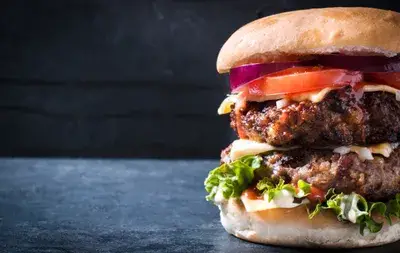
Juicy game meat burger with fresh tomato and lettuce

Game meats such as venison, bison, elk, rabbit, and wild boar are naturally lean, protein-rich, and packed with essential nutrients. Compared to traditional meats, they often provide higher protein with fewer calories and less fat, making them excellent for specialized fitness and diet goals. Depending on whether you’re aiming for weight loss, bulking, cutting, or following a ketogenic lifestyle, certain game meats may serve your needs better than others.

Weight Gaining (Bulking)

When building muscle mass, higher-calorie and moderate-fat meats like bison and wild boar are beneficial. Bison offers a balance of protein and fat, providing steady energy for workouts and recovery, while wild boar adds extra calories and flavor that make meeting bulking requirements easier without sacrificing quality nutrition.

Cutting (Fat Loss)

During cutting phases, where maintaining lean muscle while dropping fat is the goal, elk and venison stand out. They deliver dense protein with very little fat, helping athletes fuel muscle repair while keeping calories low. Rabbit is another solid choice, but pairing it with a healthy fat source may be necessary for sustained energy.

Ketogenic Diet

For those following a ketogenic diet, fattier meats like wild boar and bison are the most suitable. Their higher fat content aligns with keto’s macronutrient ratios, while still offering high-quality protein. Wild boar’s natural fat makes it especially keto-friendly, while bison provides a balanced option for energy and recovery without being overly lean.

High Protein Diet (General Fitness)

If your focused on building lean muscle and optimizing daily recovery, game meat is the ultimate nutritional upgrade. Unlike conventional livestock, wild game such as Elk and Bison offers a significantly higher protein-to-calorie ratio, allowing you to hit your macros without the excess saturated fat found in grain-fed beef. These meats are naturally packed with bioavailable iron and Vitamin B-12 , providing the sustained energy needed to power through workouts and stay satiated throughout the day. If you are looking for a clean, nutrient-dense fuel source to support an active lifestyle, the wild-harvested selection is your gold standard. 

Low-Fat & Heart-Healthy Diets

If you are monitoring your fat intake or focused on cardiovascular health, game meat offers a leaner alternative to even the trimmest cuts of traditional poultry or beef. Options like Venison and Antelope are naturally “extra-lean,” containing a fraction of the total fat and cholesterol found in store-bought meats. Because these animals forage on natural vegetation, their fat profile is significantly higher in heart-healthy Omega-3 fatty acids and Conjugated Linoleic Acid (CLA). Choosing wild game allows you to enjoy a rich, steak-like experience while staying well within your daily fat macros and supporting a heart-healthy lifestyle. 

Game MEats vs Other Protien Sources

Healthy Game Meat Recipes

Game Meat Frequently Asked Questions

Yes, in many cases. Game meats generally contain more protein per calorie and less fat, making them a nutrient-rich option. They are also often free from antibiotics and hormones since they are raised in the wild or semi-wild conditions.

Yes, game meats tend to have a richer, sometimes slightly earthy or “gamey” flavor compared to beef, pork, or chicken. The taste depends on the specific animal and how it was prepared.

Absolutely. Since many game meats like venison, elk, and rabbit are very lean and high in protein, they support satiety and muscle retention while keeping calories low.

Yes, but the best choices for keto are fattier options like wild boar or bison. Leaner meats such as venison can still be eaten, but they should be paired with a healthy fat source to maintain the proper macronutrient balance.

Yes, when sourced from reputable suppliers or properly handled after hunting. Like all meats, they must be cooked to safe internal temperatures to avoid foodborne illness.

Yes, game meats are excellent sources of iron, zinc, B vitamins, and other essential nutrients. Venison and elk, for example, are particularly rich in iron, making them great for energy and red blood cell health.

While shellfish like shrimp and lobster contain dietary cholesterol, they are very low in saturated fats. For most people, saturated fat has a much greater impact on blood cholesterol levels than dietary cholesterol. This makes shellfish a heart-healthy protein choice. 

Not usually. In fact, because of their leaner fat profile, many people find game meats easier to digest than fatty cuts of beef or pork.

Game meats can often be purchased from specialty butchers, online retailers, farmers’ markets, or hunting sources. Many stores now carry frozen venison, bison, or elk as demand for healthier protein grows.