Soy Products: Better Protein for a Better You

In a world of evolving nutrition, soy products stand out as a rare plant-based powerhouse with a complete protein profile comparable to meat and dairy. Packed with all nine essential amino acids, foods like tofu, tempeh, and edamame offer a versatile, heart-healthy alternative for athletes and health-conscious eaters. Beyond muscle-building potential, soy is also rich in fiber, minerals, and phytonutrients that support cardiovascular health and long-term wellness.

Whether you want to lower your cholesterol or fuel your next workout, soy products provide a sustainable, science-backed foundation for a balanced diet. To see how they fit different goals, the table below groups common options by processing type, protein concentration, and practical use. For more plant-based ideas, explore our plant-based guides, plant-dairy alternatives, and plant-meat alternatives. Therefore, start with the section that matches your goal. Then, use the tables to compare options.

Soy Products Nutrition Facts

1 cup cooked portion

Nutrition Facts: Edamame

Edamame Comprehensive nutritional breakdown.

This serving of edamame is a useful baseline for soy products. First, it packs a large amount of protein into a small portion. Next, it adds fiber and minerals, so it fits most meal plans. As a result, you can compare other soy products against it. Check your own label, since values vary slightly. Moreover, always compare serving sizes. Thus, the numbers stay fair.

Soy Product Breakdown

Full Comparison Table

Calories188 kcal (9%)
Protein18.4 g (37%)
Total Carbs13.8 g (5%)
  Dietary Fiber8.1 g (29%)
Total Fat8.1 g (10%)
  Saturated Fat1.0 g (5%)
Cholesterol0 mg (0%)
Sodium9.0 mg (0%)
Potassium676 mg (14%)
Calcium98 mg (8%)
Iron3.5 mg (19%)
Magnesium64 mg (15%)
Vitamin C9.5 mg (11%)
Folate (B9)482 mcg (121%)
Nutrient Amount (per cup) % Daily Value
Calories188 kcal9%
Protein18.4 g37%
Total Carbs13.8 g5%
  Dietary Fiber8.1 g29%
Total Fat8.1 g10%
  Saturated Fat1.0 g5%
Cholesterol0 mg0%
Sodium9.0 mg0%
Potassium676 mg14%
Calcium98 mg8%
Iron3.5 mg19%
Magnesium64 mg15%
Vitamin C9.5 mg11%
Folate (B9)482 mcg121%
Summary

Soy is a unique plant source as it is a complete protein, containing all nine essential amino acids. It is also exceptionally high in Folate and Dietary Fiber compared to animal proteins. * % Daily Values are based on a 2,000 calorie diet.

Key Nutritional Benefits of Soy Products

Soy Classification • Amino Profile

Soy Nutrition Standards (Per 3oz Serving)

Complete nutritional synchronization of calories, protein, and BCAAs across all views.

Soy products differ widely in calories and protein per serving. For example, tofu is light, while tempeh and soy protein isolate are much denser. Therefore, the best choice depends on your goals. In the views below, you can also compare amino acid content across common soy foods. Moreover, always compare serving sizes. Thus, the numbers stay fair.

Soy Product Breakdown

Calories~290 kcal
Protein~75g
BCAAs~13.5g
ProcessingUltra-High
Key Benefits Maximum BCAA purity. Lowest carb/fat ratio for high-performance muscle synthesis.
Calories~380 kcal
Protein~34g
BCAAs~6.2g
ProcessingLow
Key Benefits Energy-dense whole food; provides massive protein concentration for active recovery.
Calories~160 kcal
Protein~16g
BCAAs~2.9g
ProcessingModerate
Key Benefits Superior BCAA absorption due to fermentation; supports gut health and digestive efficiency.
Calories~70 kcal
Protein~13g
BCAAs~2.4g
ProcessingHigh
Key Benefits Optimized for lean bulk volume and satiety with a high protein-to-calorie ratio.
Calories~105 kcal
Protein~10g
BCAAs~1.8g
ProcessingLow
Key Benefits Whole food source with fiber and minerals intact for balanced glycogen replenishment.
Calories~85 kcal
Protein~9g
BCAAs~1.6g
ProcessingModerate
Key Benefits Low calorie profile; high versatility for lean cutting or clean bulking phases.
Calories~35 kcal
Protein~3g
BCAAs~0.5g
ProcessingModerate
Key Benefits Highly convenient liquid protein; easy to digest and ideal for post-workout hydration.

Full Comparison Table

Category Calories Protein BCAAs Processing Key Benefits
Soy Protein Isolate ~290 kcal ~75g ~13.5g Ultra-High Pure Protein Highest BCAA concentration for muscle synthesis.
Roasted Soy Nuts ~380 kcal ~34g ~6.2g Low Energy Dense Superior protein concentration for high activity.
Tempeh (Fermented) ~160 kcal ~16g ~2.9g Moderate Gut Friendly Highest whole-food BCAA density and absorption.
TVP (Rehydrated) ~70 kcal ~13g ~2.4g High Max Protein Optimized for recovery and lean bulk volume.
Edamame (Shelled) ~105 kcal ~10g ~1.8g Low High Fiber Complete protein with intact micros and minerals.
Extra Firm Tofu ~85 kcal ~9g ~1.6g Moderate Low Calorie Cleanest protein-to-calorie ratio for lean goals.
Soy Milk (Unsweet) ~35 kcal ~3g ~0.5g Moderate Hydrating Convenient liquid protein for shakes and recovery.
Note
Nutrition data is based on a standard 3oz (85g) portion. Dry Isolate and TVP values are measured prior to rehydration. Portion control is essential for caloric management in whole-food forms.

Recommended Products

As an Amazon Associate, BestProteinFoods.com earns from qualifying purchases.

Mori-Nu Silken Tofu Lite Firm | Velvety Smooth and Crea...

Mori-Nu Silken Tofu Lite Firm | Velvety Smooth and Crea...

Anthony's Textured Vegetable Protein, TVP, 1.5 lb, Gluten Free, Vegan,...

Anthony's Textured Vegetable Protein, TVP, 1.5 lb, Gluten Free, Vegan,...

Bob's Red Mill TVP, 12oz (Pack of 4) - Vegan, Made in USA, U...

Bob's Red Mill TVP, 12oz (Pack of 4) - Vegan, Made in USA, U...

Which Soy Products Are Right for Your Goals?

Bowl of edamame, one of the best high-protein soy products

Weight Gaining (Bulking)

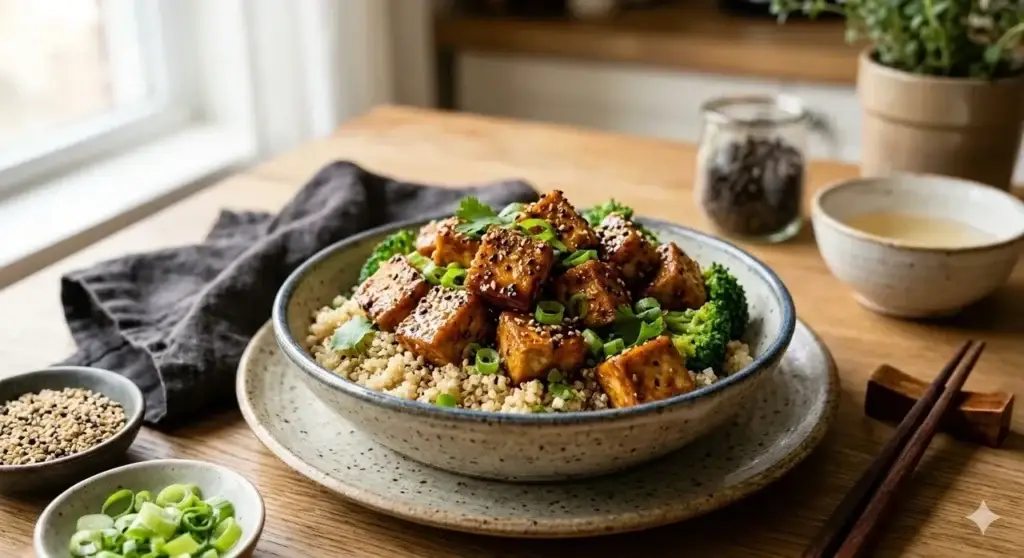
When the goal is muscle growth and a calorie surplus, soy is one of the most efficient plant proteins for adding size. Tempeh is a standout choice, since its dense, fermented soybean cake delivers plenty of protein and calories in a small serving. Moreover, its healthy fats help you reach your surplus without excess volume. In addition, soy milk (especially full-fat varieties) and soy nuts add protein between meals. Meanwhile, edamame is a satisfying, complete-protein snack for stir-fries and grain bowls. Besides, blending soy milk into smoothies adds calories without extra chewing. Thus, bulking gets easier. Finally, spread servings across the day for steady gains.

Cutting (Fat Loss)

Overall, when trimming fat, the priority is maximizing protein while keeping calories in check. Firm and extra-firm tofu are excellent choices because they are low in calories yet high in protein. Furthermore, their neutral flavor makes them easy to swap into almost any meal. Edamame is another cutting staple, since its fiber and protein help curb hunger for very few calories. Finally, unsweetened, low-fat soy milk and TVP (textured vegetable protein) deliver lean protein without the added sugars found in processed soy snacks. Meanwhile, grilling or baking keeps added fat low. Likewise, marinades add flavor without calories. Therefore, soy products make cutting more enjoyable. Therefore, plan one soy-based meal a day. Meanwhile, track portions to stay on target.

Keto-Friendly Soy Products

Soy products can fit neatly into a keto plan as long as you choose the right forms. For example, firm and silken tofu are naturally low in net carbs while delivering a solid mix of protein and fat. Likewise, edamame in moderate portions offers fiber and protein with a manageable carb count. Unsweetened soy milk is also a good dairy-free base for keto shakes. However, watch portions of soy nuts, since roasted soybeans carry more carbs than other keto-friendly nuts and seeds. Besides, check labels on flavored soy products for hidden sugar. Meanwhile, stick to small portions. Therefore, you stay in ketosis. Finally, pair soy products with leafy greens for balance.

High Protein Diet (General Fitness)

For general fitness and muscle maintenance, soy offers one of the most complete and versatile protein profiles in the plant world. For instance, soy protein isolate is highly concentrated, so it works well in shakes, oatmeal, or baked goods. Similarly, tempeh and edamame deliver a full amino acid profile alongside fiber and micronutrients for steady muscle repair. Finally, TVP rehydrates quickly, so it suits high-protein meals like chili, tacos, or pasta sauce. Besides, a simple tofu scramble makes a fast breakfast. Meanwhile, tempeh works well in sandwiches. Thus, daily protein is easy to plan. Therefore, rotate your choices each week. Meanwhile, keep portions steady. Besides, variety prevents boredom.

Low-Fat & Heart-Healthy Diets

Soy has long been recognized for its heart-health benefits, and choosing the right forms maximizes that advantage. For example, soy protein isolate is naturally low in saturated fat and contains isoflavones, plant compounds linked to improved cholesterol levels. Likewise, tofu and unsweetened soy milk are low in saturated fat while providing complete protein, so they make easy swaps for higher-fat animal proteins. In addition, edamame adds fiber and potassium, which support healthy blood pressure. Besides, small swaps add up. For instance, replace red meat with tofu twice a week. Then, try soy milk in coffee. Finally, keep portions moderate. Overall, soy is an easy way to cut saturated fat. Thus, it suits long-term heart health.

Soy Products vs Other Protein Sources

Protein Comparison

Comparing Tempeh and other high-density soy sources against traditional proteins. Toggle categories below to customize your view.

Soy products compete well with meat, eggs, and dairy on protein quality. However, they differ in fat, carbohydrate, and mineral content. Use the table below to see where each source stands. Then, match your pick to your own goals. Moreover, always compare serving sizes. Thus, the numbers stay fair.

Comparison at a Glance

Source Protein Cal/Fat BCAA Diet Types Key Benefits
Tempeh (3oz)17g163 / 9g4.2gVegan, ProbioticFermented soy provides active probiotics for gut health and superior protein density
Chicken (4oz)35g186 / 4g5.3gLean, PaleoHigh Leucine content for muscle synthesis with minimal saturated fat
Pork Chop (3oz)23g221 / 13g4.8gPaleo, MixedTop source of Thiamine (B1) which is critical for carbohydrate energy metabolism
Ribeye (3oz)20g247 / 18.5g5.4gKeto, PaleoRich in Heme-Iron and Vitamin B12 for oxygen transport and neurological support
Salmon (3oz)19g180 / 10g4.9gKeto, PescatarianHigh concentration of EPA/DHA Omega-3s for cardiovascular and joint protection
Bison (3oz)24g122 / 2g5.2gLean, PaleoHighly bioavailable minerals with lower caloric density than grain-fed beef
Milk (1 cup)8g150 / 8g1.6gVegetarian, BulkLiquid delivery of electrolytes and calcium for post-workout recovery

More Comparisons

Source Protein Cal/Fat BCAA Diet Types Key Benefits
Spinach (1c)5.3g41 / 0.5g0.8gVegan, Low-CalPacked with Vitamin K and nitrates to support bone density and vascular health
Quinoa (1c)8.1g222 / 3.6g1.4gVegan, Gluten-FreeComplex carbohydrate that provides a complete plant-based amino acid profile
Almond Milk1g30 / 2.5g0.2gVegan, KetoExtremely low-calorie base for smoothies; often fortified with Vitamins E and D
Beyond Burger20g230 / 14g3.5gVegan, FlexPlant-derived iron and protein levels tailored to match traditional meat macros
Casein (1sc)24g110 / 1g4.9gVegetarian, NightUnique slow-release kinetics to prevent muscle breakdown during long fasts
Collagen (20g)18g70 / 0g1.4gPaleo, BeautyFocused on glycine and hydroxyproline for skin, gut, and tendon repair
Whey (1sc)25g110 / 0.5g5.8gVegetarian, PostInstant solubility and rapid amino acid spikes for immediate anabolic response

What to Keep in Mind

Note All nutritional data is approximate and based on standard serving sizes. This tool is intended for informational purposes only and does not constitute medical advice, diagnosis, or treatment. Always seek the advice of your physician or other qualified health provider with any questions you may have regarding a medical condition or dietary changes.

Healthy Soy Recipes

Soy Products FAQs

Yes. Soy contains all nine essential amino acids, so it supports muscle repair and growth like animal proteins do.

Research shows that moderate soy intake does not meaningfully change testosterone or cause feminizing effects in men.

Studies suggest that moderate amounts of whole soy foods are generally safe. However, talk to your doctor if you have a personal or family history.

About 25 grams a day, as part of a low-saturated-fat diet, is linked to lower LDL cholesterol.

Isolate gives concentrated protein. Whole soy such as tofu, tempeh, and edamame, however, adds fiber and phytonutrients. Therefore, enjoy both.

With a healthy thyroid, moderate soy has little effect. Still, if you take thyroid medication, ask your doctor about timing.

Soy is a complete protein and builds muscle well when you eat enough. Whey, though, digests faster, so it may edge ahead right after workouts.